


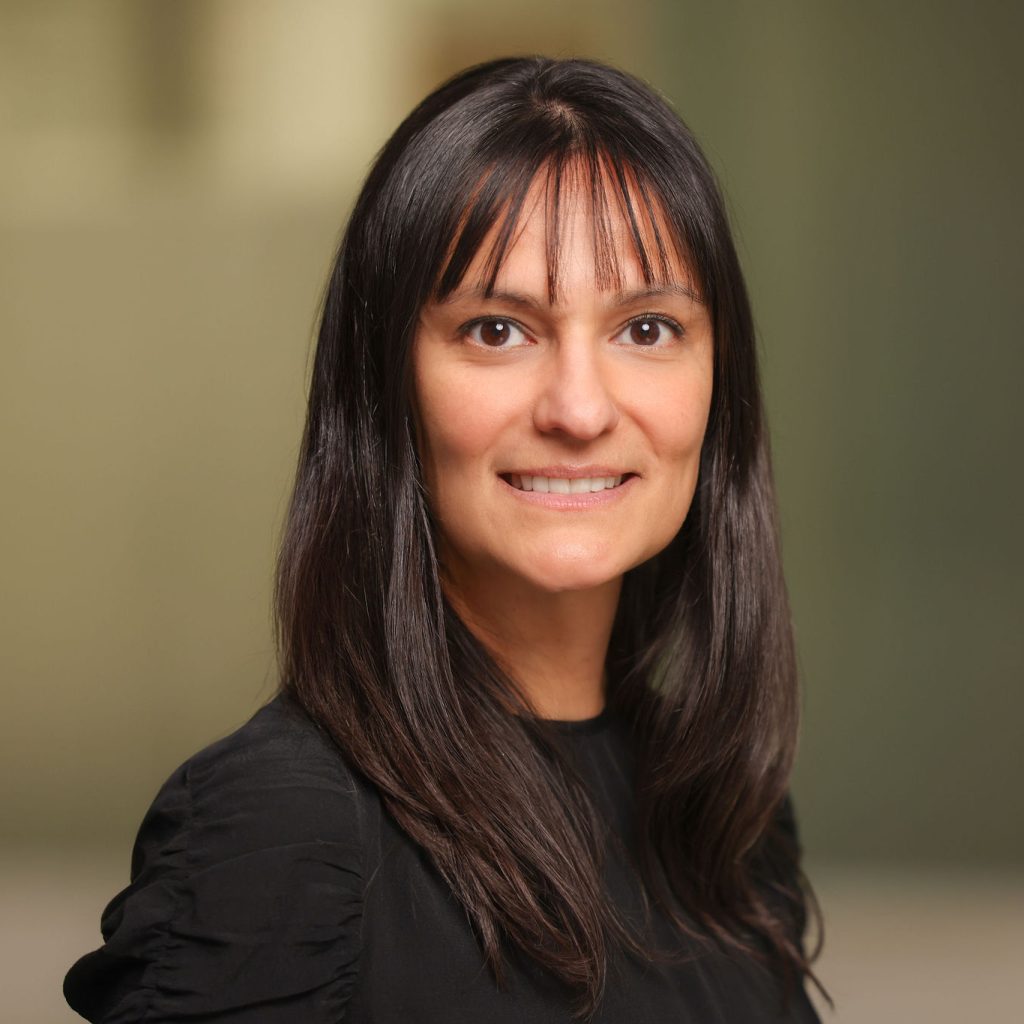


I am the Founder of Sustainable Business Ventures. Our purpose is to help businesses, especially small and medium enterprises (SMEs), integrate sustainability into their core operations, leveraging it as a competitive edge and positively impacting the world.
We work with our clients to demonstrate the value they can unlock from reviewing their business strategy and existing operations using a sustainability lens (across environmental; governance and social pillars); identifying opportunities to future proof their business models.
I have two decades of diverse business experience across multiple sectors and industries and I draw on this as I guide organisations delivering pragmatic and impactful solutions that seamlessly integrate sustainability. I have worked for global consultancies, within banking (in both Change and COO roles), and multiple C-suite positions in smaller firms across the UK, Europe and Asia and take a holistic approach. In addition to my client work I also work as an Assessor for CISL (University of Cambridge Institute for Sustainability Leadership) grading multiple cohorts each year for their Climate Change course and support the Implementors’ Group of PAS808, that is now in the rigorous process to become a new international standard of ISO37011 for Purpose Driven Organisations.
I am fascinated by people; I love hearing your stories, learning about your business and discussing if there’s an opportunity to partner in your growth.
Please get in touch at hello@sustainablebusinessventures.co.uk if you’re struggling with a particular sustainability issue or would like help on where to start or if you’re interested in partnering with me.
I strongly believe as sustainability professionals we should be supporting each other and collaborating where we can, which is one key reason for joining ASP! In doing so, we demonstrate that collaborative capitalism and a move to a wellbeing economy can drive more prosperity for the environment and us all than today’s exploitative economic approach.